
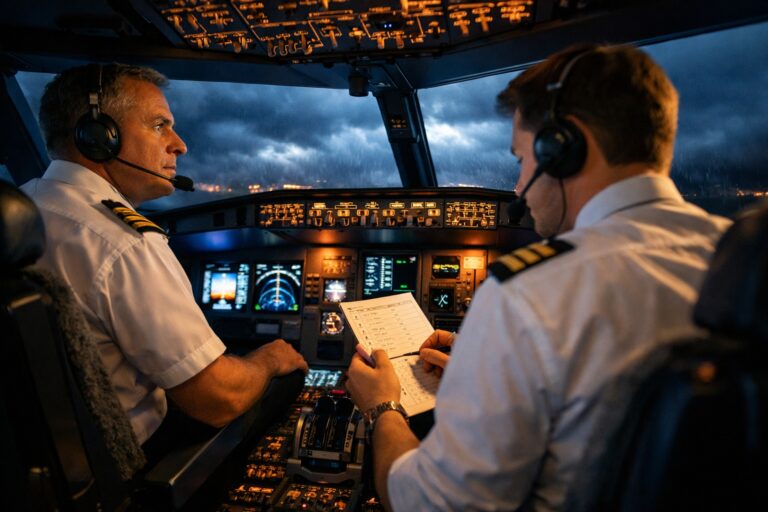
In modern aviation, pilot performance depends heavily on continuous education, structured training systems, and the ability to adapt to evolving regulations and technology. This is where CTS plays a vital role in enhancing pilot proficiency through structured, flexible, and technology-driven training programs.
Using CTS, aviation professionals gain access to advanced learning tools, recurrent training modules, and simulation-based practice that strengthen both technical and decision-making skills. The result is improved safety, efficiency, and operational readiness across different types of flight operations.
Key Takeaways
- CTS training is designed for aviation professionals under Part 91 and Part 135 operations
- Online learning allows flexible, self-paced training for active pilots
- Real-world case studies show improved safety records and reduced training time
- Recurrent training ensures continuous skill retention and proficiency
- Flight simulators provide safe, realistic training environments
- CTS adapts quickly to changing aviation regulations
- Advanced technology and partnerships prepare pilots for future aviation demands
CTS as a Modern Standard in Pilot Training
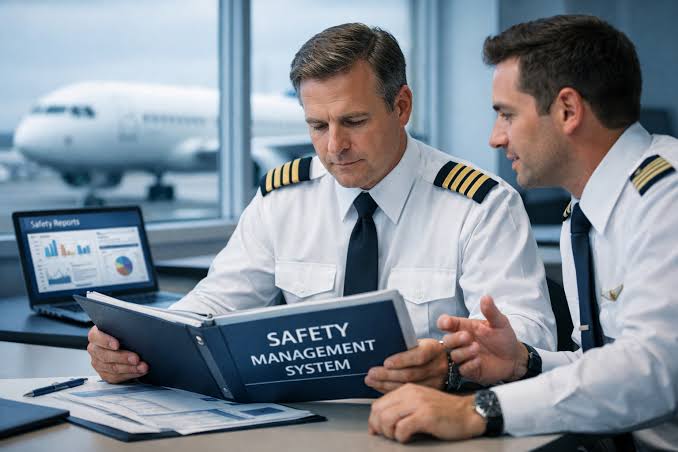
CTS has become a strong benchmark in aviation education due to its structured and flexible training approach. It is specifically designed to meet the operational needs of both new and experienced pilots while aligning with regulatory requirements such as Part 91 and Part 135.
By using CTS, pilots are able to strengthen core competencies while staying compliant with evolving aviation standards. This combination of structure and adaptability makes it a reliable solution for modern flight training needs.
Flexible Online Learning for Aviation Professionals
One of the major advantages of CTS is its online learning system, which allows pilots to complete training without interrupting their flight schedules. This flexibility is essential in an industry where time and availability are critical.
CTS training also supports self-paced learning, allowing pilots to revisit complex topics as needed. This ensures better understanding and long-term knowledge retention. Additionally, online training reduces costs compared to traditional classroom-based programs, making aviation education more accessible.
Real-World Impact of CTS Training
Many aviation operators have reported measurable improvements after adopting CTS training programs. Airlines and helicopter operators have seen reductions in training time and improvements in overall flight safety performance.
By using CTS, organizations can standardize training procedures and ensure that all pilots meet consistent proficiency levels. This leads to smoother operations and improved safety records across fleets.
Recurrent Training and Skill Retention
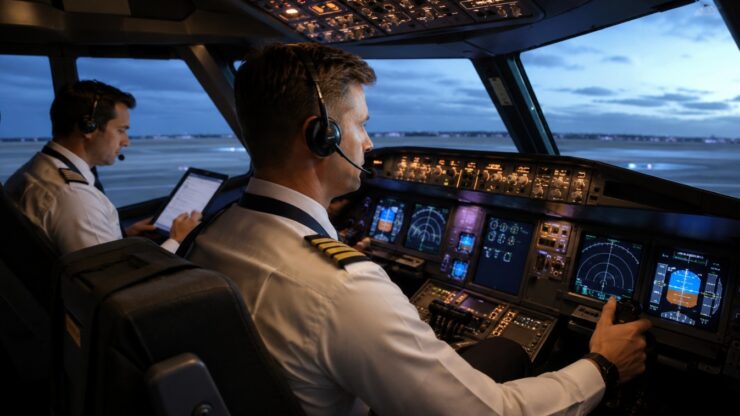
Recurrent training is a core component of CTS, ensuring that pilots maintain their skills over time. Continuous exposure to updated training materials helps reinforce critical procedures and decision-making abilities.
Through structured practice, pilots are better prepared for real-world challenges, including emergency scenarios and complex flight conditions. This ongoing training approach reduces skill degradation and improves long-term operational readiness.
Simulator-Based Training for Realistic Skill Development
CTS integrates flight simulator training to provide pilots with realistic, risk-free practice environments. Simulators replicate real-world conditions such as engine failures, weather changes, and system malfunctions.
This hands-on approach allows pilots to refine their responses in critical situations without operational risk. Immediate feedback during simulation sessions also helps improve accuracy and decision-making speed.
Regulatory Compliance and Operational Readiness
CTS training is designed to align closely with aviation regulations, particularly Part 91 and Part 135 requirements. This ensures that pilots remain compliant while developing essential operational skills.
By integrating regulatory updates into its curriculum, CTS helps pilots stay informed about industry changes. This reduces compliance risks and supports smoother operational performance across different aviation sectors.
Future of Aviation Training with CTS
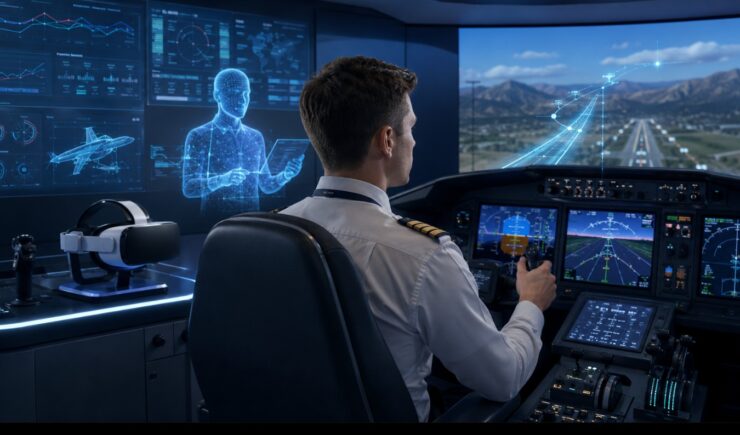
As aviation technology evolves, CTS continues to integrate modern tools such as data analytics, virtual learning systems, and predictive training models. These advancements improve learning efficiency and enhance pilot performance.
The use of industrial drive solutions CTS in aviation training systems reflects the growing integration of advanced technologies in pilot development programs, ensuring readiness for future industry demands.
CTS is also exploring innovations like virtual reality training and AI-based learning systems, which provide more immersive and personalized training experiences for pilots.
FAQ
What is CTS training in aviation?
CTS training is a structured pilot education system designed to improve flight proficiency, safety, and regulatory compliance through online and simulator-based learning.
How does CTS help improve pilot skills?
CTS improves pilot skills through recurrent training, realistic simulations, and flexible online modules that reinforce both technical and decision-making abilities.
Is CTS suitable for new pilots?
Yes, CTS provides structured foundational training designed to help new pilots build confidence and essential flight skills at a manageable pace.
What role do simulators play in CTS training?
Simulators provide realistic flight scenarios that allow pilots to practice emergency procedures and complex operations without real-world risks.
How often should pilots undergo CTS training?
Many aviation experts recommend regular or annual recurrent training to maintain skill proficiency and stay updated with regulations.
Does CTS support regulatory compliance?
Yes, CTS training is aligned with aviation standards such as Part 91 and Part 135, ensuring pilots meet regulatory requirements.
What are the benefits of online CTS learning?
Online CTS learning offers flexibility, cost efficiency, and self-paced study, allowing pilots to train without disrupting flight schedules.
How is CTS evolving in the future of aviation training?
CTS is integrating advanced technologies like data analytics, virtual reality, and AI-driven systems to enhance training effectiveness and pilot preparedness.