
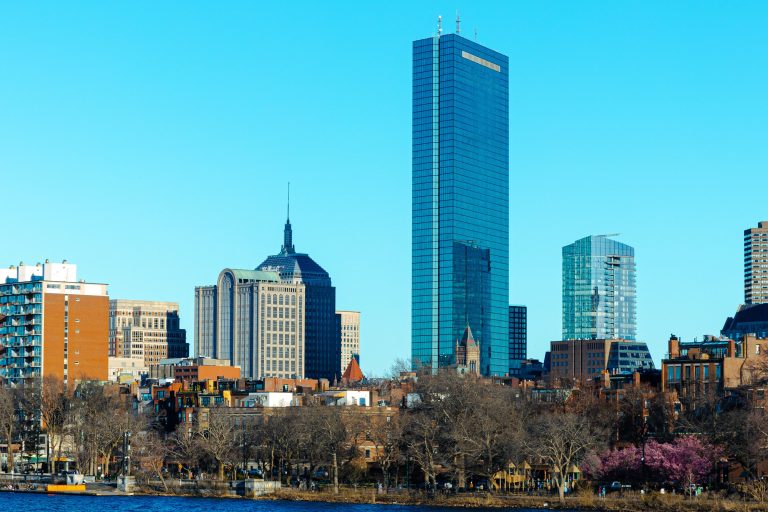
Boston workplaces won’t look the same in five years. Maybe not even three. The speed of change keeps accelerating while companies scramble to keep up. Some embrace the chaos. Others pretend nothing’s happening. Guess which ones survive?
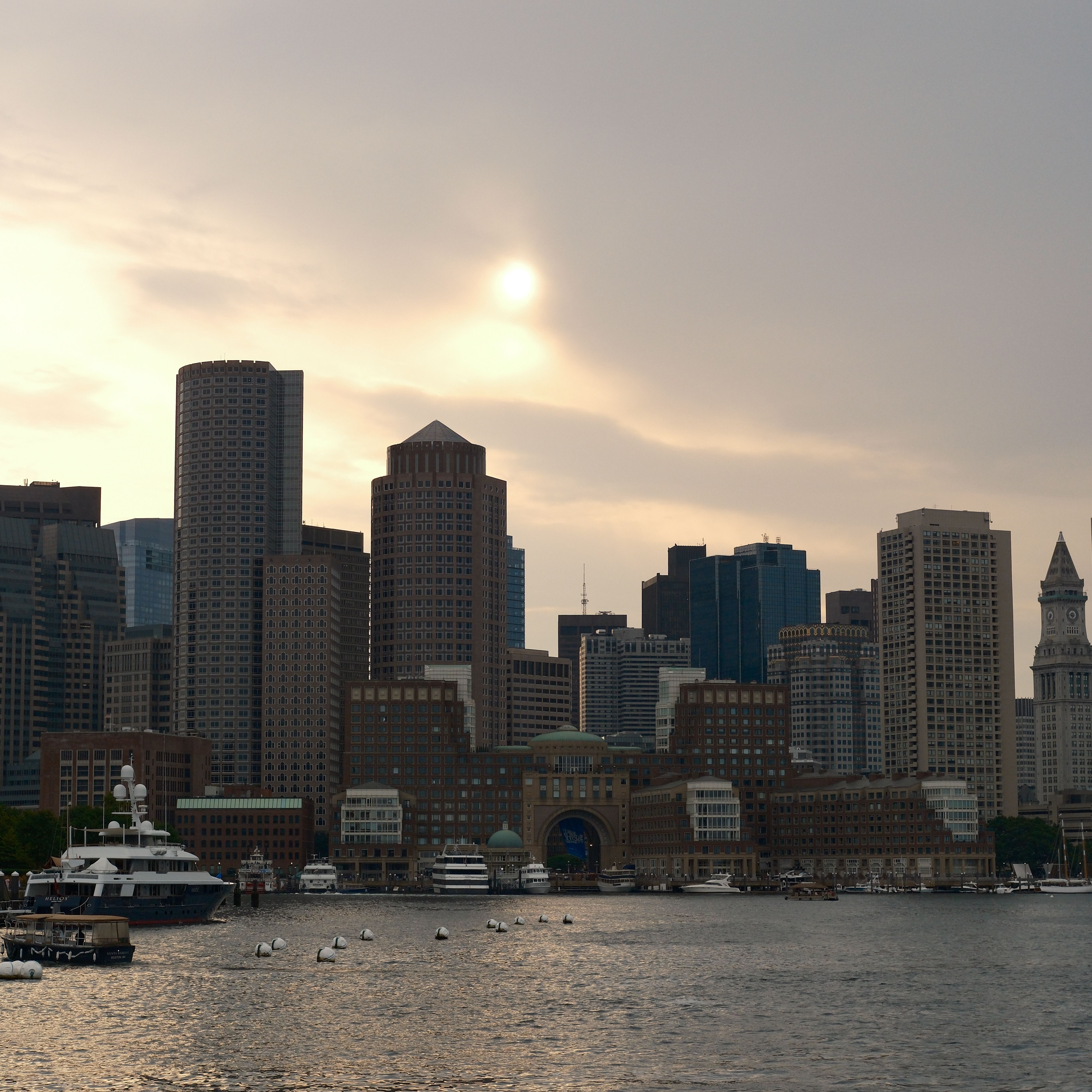
Smart Buildings That Think and Respond
Your office will know you’re coming before you arrive. Not creepy surveillance stuff. Smart prediction based on patterns. The elevator waits at your floor during your usual arrival time. Conference rooms pre-heat when your calendar shows a meeting. Sensors everywhere sounds invasive until you realize the benefits. That stuffy 2 PM feeling disappears when CO2 monitors trigger fresh air before anyone notices the problem. Lights dim and brighten without anyone touching switches. The building learns, adapts, reacts.
Boston’s ancient brick buildings face a rough transition. Hundred-year-old walls weren’t designed for fiber optic cables and wireless sensors. Retrofit costs hurt. But empty buildings hurt worse. Tenants want smart spaces. They’ll pay for them too. Old buildings that stay dumb will sit empty, wondering where everyone went. Meanwhile, new construction goes all-in on intelligence. Every beam and pipe gets designed around data flow. The building becomes a computer you work inside.
Health Monitoring Becomes Standard Practice
Remember when hand sanitizer stations seemed excessive? Now they’re quaint. Tomorrow’s offices will scrub the air you breathe 24/7. Not just filters. Active purification that hunts down germs and destroys them. Surfaces will fight back against contamination. Copper door handles. Silver-infused fabrics. Materials that bacteria can’t survive on. Cleaning happens at the molecular level, constantly, invisibly.
Traffic flow analysis sounds boring until it prevents disease clusters. Buildings will know that everyone touches that one corner when turning left. That spot gets extra UV treatment tonight. The bathroom mirror that 50 people breathe on during teeth brushing? Antimicrobial coating applied last week.

Workers won’t tolerate health risks anymore. They’ve seen what happens when buildings ignore air quality. Mental health matters too now. Natural light becomes non-negotiable. Plants show up everywhere. Meditation rooms get prime real estate. Stress literally gets designed out of spaces.
Flexibility Drives Everything
The corner office becomes a museum piece. Nobody owns desks anymore. You book workspace like restaurant reservations. Need silence? Reserve the library floor. Big presentation? Grab the creative suite with the video wall. Morning people claim east-facing spaces at dawn. Night owls take over after dinner. The building never sleeps but also never forces anyone into arbitrary schedules. Peak productivity happens when humans feel ready, not when clocks say so.

Remote work killed the five-day commute. But isolation killed fully remote work. The hybrid model wins by letting people choose daily. Monday at home. Tuesday in the collaboration lab. Wednesday wherever. Gensler’s 2026 Global Workplace Survey found employees now spend just over half their week in the office and about a quarter working from coworking spaces, client sites, or elsewhere, confirming that choice itself is the point. The office becomes a tool, not a requirement.

Sustainability Shapes Every Decision
Boston buildings will make their own electricity soon. Solar panels cover roofs. Wind turbines hide in architectural features. Battery banks store excess power for cloudy days. The grid becomes backup, not primary. Water loops through buildings multiple times. Rain feeds toilets. Sink water irrigates rooftop gardens. Nothing gets wasted. Composting happens on-site. Trash? What trash? Everything gets sorted, recycled, repurposed. Developments like One Boston Wharf Road, already the largest net-zero carbon office building in the city, are proving the model works today, not in some distant future.
Companies preparing now gain massive advantages. Smart businesses choose office cleaning services with tomorrow in mind. All Pro Cleaning Systems already helps Boston companies transition to sustainable cleaning methods that exceed environmental standards without sacrificing cleanliness or safety. Learn more about Boston office cleaning services with All Pro Cleaning Systems.
Conclusion
The future arrives whether Boston businesses prepare or not. Smart buildings, health focus, radical flexibility, and environmental responsibility aren’t trends. They’re survival requirements. Companies clinging to 2019 standards will wonder why talent flees to competitors. The workplace revolution already started. Join it or become irrelevant. There’s no third option.