
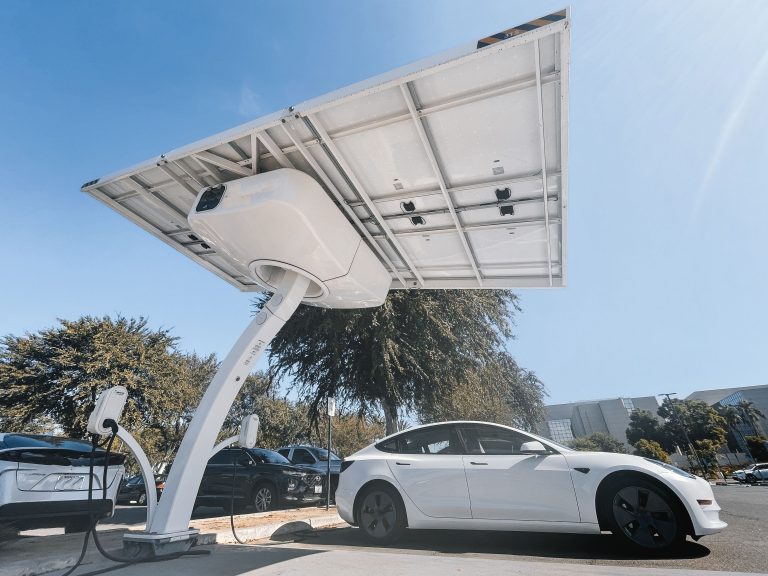
An electric car spends much of its day parked. Vehicle-to-grid (V2G) charging asks whether those idle hours can do more than wait for the next trip: with the right equipment and permission, a connected vehicle can send stored electricity back to the grid when it is useful.
The idea is compelling, but the important distinction is that a car plugged into a smart charger is not automatically a power plant. V2G requires a compatible vehicle, bidirectional charging hardware, control software, and a utility arrangement. Without all four, the battery stays a one-way load.
From parked car to flexible power source
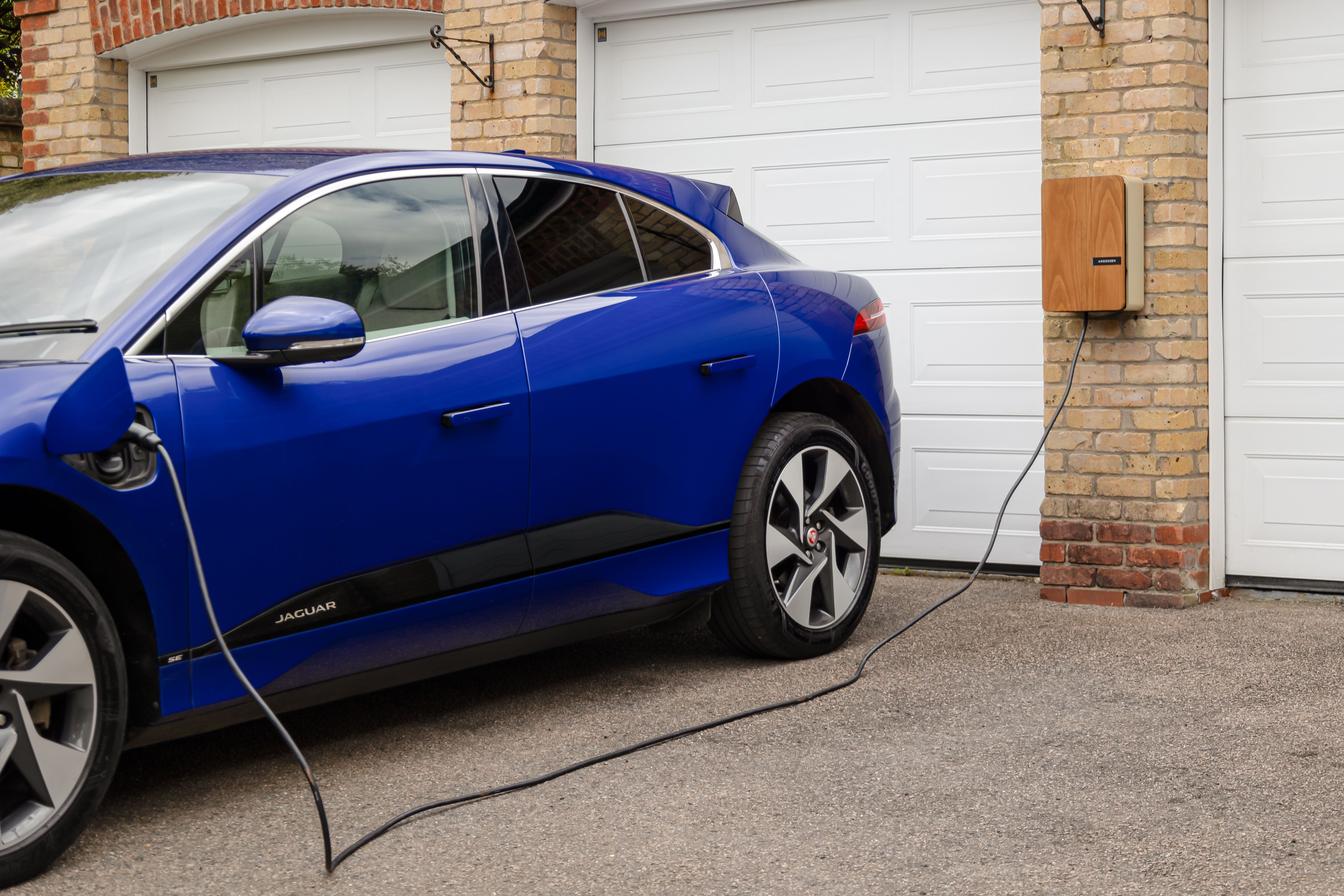
A bidirectional system can charge the car when electricity is plentiful or less expensive, then discharge some energy later. V2G exports power to the grid; vehicle-to-home (V2H) and vehicle-to-building (V2B) instead supply a house or facility. That stored energy can shave a building’s peak demand, help cover an outage, or provide grid services such as balancing supply and demand.
The U.S. Department of Energy describes light-duty EV batteries as typically holding roughly 15 to 100 kilowatt-hours, enough to be meaningful at a building scale. The battery is mobile, though, not a permanently available grid asset: its owner may need the vehicle at any moment. A system that protects a driver’s chosen departure time and minimum charge is more useful than one that simply exports as much as possible.
The grid needs flexibility, not just more batteries
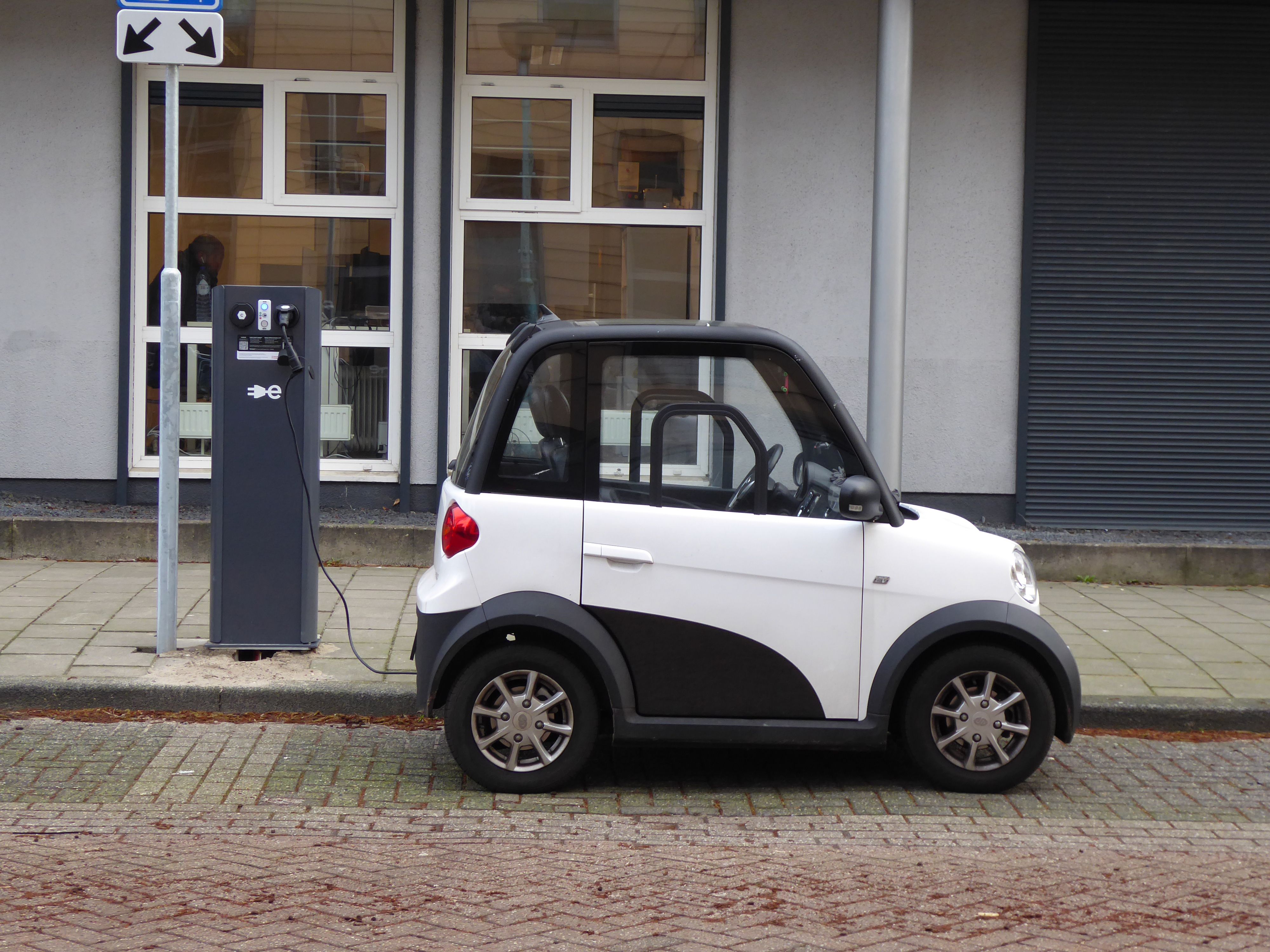
There is a quieter service called managed charging, sometimes labeled V1G: software changes when or how quickly a car charges, but electricity still flows only into the vehicle. That can reduce a local evening peak without battery discharge. V2G adds the reverse flow, giving grid operators more flexibility but also adding hardware, safety, communications, and compensation questions.
In its guidance on bidirectional charging and EVs as mobile storage, DOE notes that EV fleets can participate in demand response and other grid services when they are not needed for their primary mission. I think fleet vehicles are the clearest early fit: buses and delivery vans have predictable parking windows, so operators can reserve energy for work and make the remaining capacity available.
Why school buses are a practical proving ground
School buses are parked for long stretches, and their schedules are comparatively predictable. The Department of Energy’s Alternative Fuels Data Center explains that a V2G project needs more than an export-capable bus: fleets also need bidirectional chargers, software to coordinate the system, and utility approval. Additional protective equipment may be needed to prevent unsafe power flowing back into the grid.
That is why a pilot can be technically successful but financially awkward. The charger and interconnection work cost money; the utility program must pay enough, or deliver enough resilience value, to justify them. AFDC’s overview of V2G barriers and opportunities for electric school buses also stresses that vehicles must retain enough charge and time to return to service. Grid participation is a second job, not the bus’s main one.
Compatibility is the unglamorous bottleneck
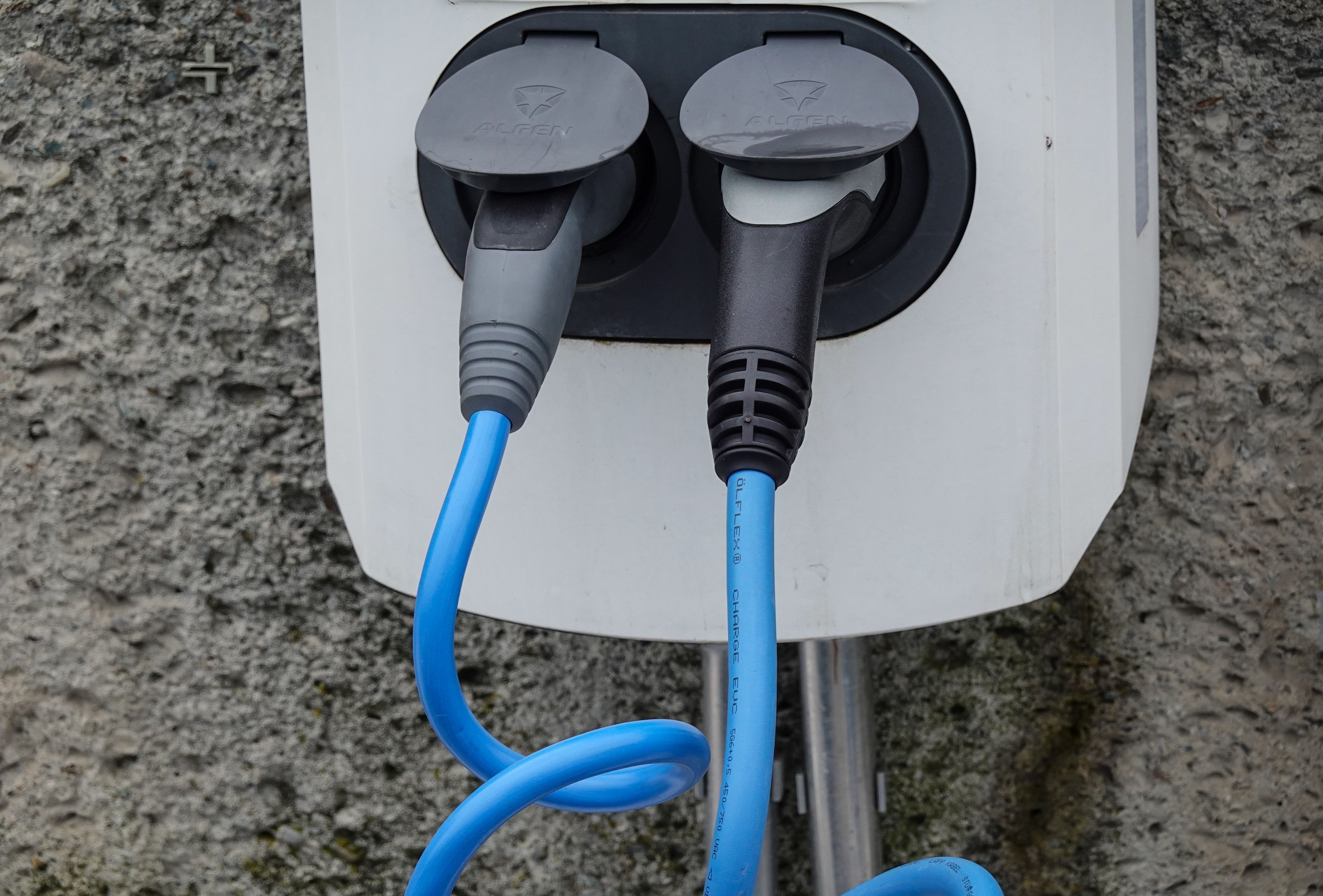
“Bidirectional” is not a universal plug-and-play promise. Vehicle and charger have to support compatible power conversion and communications, and local rules determine whether a site can export energy. Before buying equipment, an owner should ask the vehicle maker about approved hardware and battery-warranty conditions, then ask the utility about interconnection, metering, and available programs.
Reliability also rests on the electronics and testing behind the charger. The same discipline that matters in automotive PCB manufacturing-consistent assembly, component quality, and verification-matters across connected power equipment, though each product still needs its own safety and grid certifications. A sophisticated battery cannot compensate for a weak link in the control chain.
What should a driver expect?
For most drivers, V2G is not yet a simple way to earn money from a parked car. The value depends on local utility rules, charger and vehicle compatibility, electricity rates, and how much energy the owner is willing to reserve. If a home already has solar, coordinating EV charging with generation can also make stored energy more useful; see this guide to residential solar energy systems.
My read is that V2G should first be judged as an energy-management tool, not a promised income stream. Ask who controls discharge, what charge level is guaranteed by departure, how export is paid, and who handles installation and utility approval. When those answers are clear, an EV can be more than transportation: it becomes a flexible battery that happens to have wheels.