
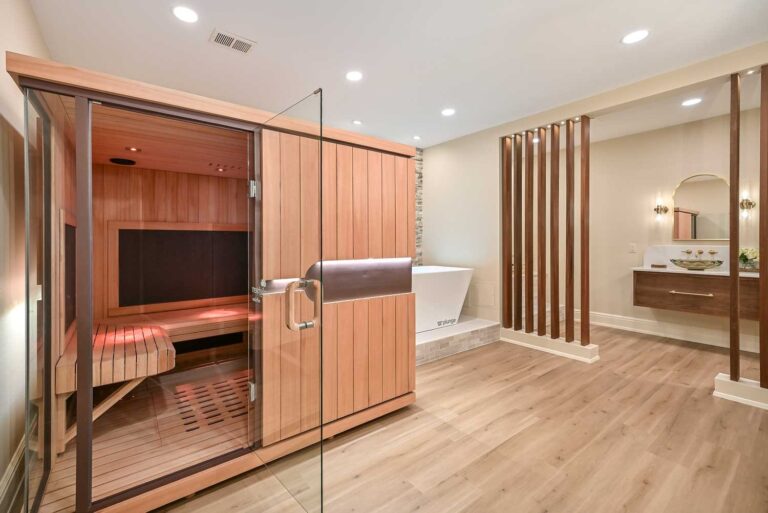
Adding a steam room during a home renovation can transform an ordinary bathroom or wellness area into a space designed for relaxation and comfort. As more homeowners prioritise health, convenience, and luxury, steam features are becoming an increasingly popular addition to renovation projects of all sizes.
However, incorporating a steam room requires more planning than simply choosing fixtures and finishes. Room dimensions, ventilation, waterproofing, heating systems, and available space all influence both the installation process and the long-term performance of the finished room.
Understanding these considerations early helps homeowners create a practical wellness space that complements the overall renovation.
Plan The Space Around The Steam Room
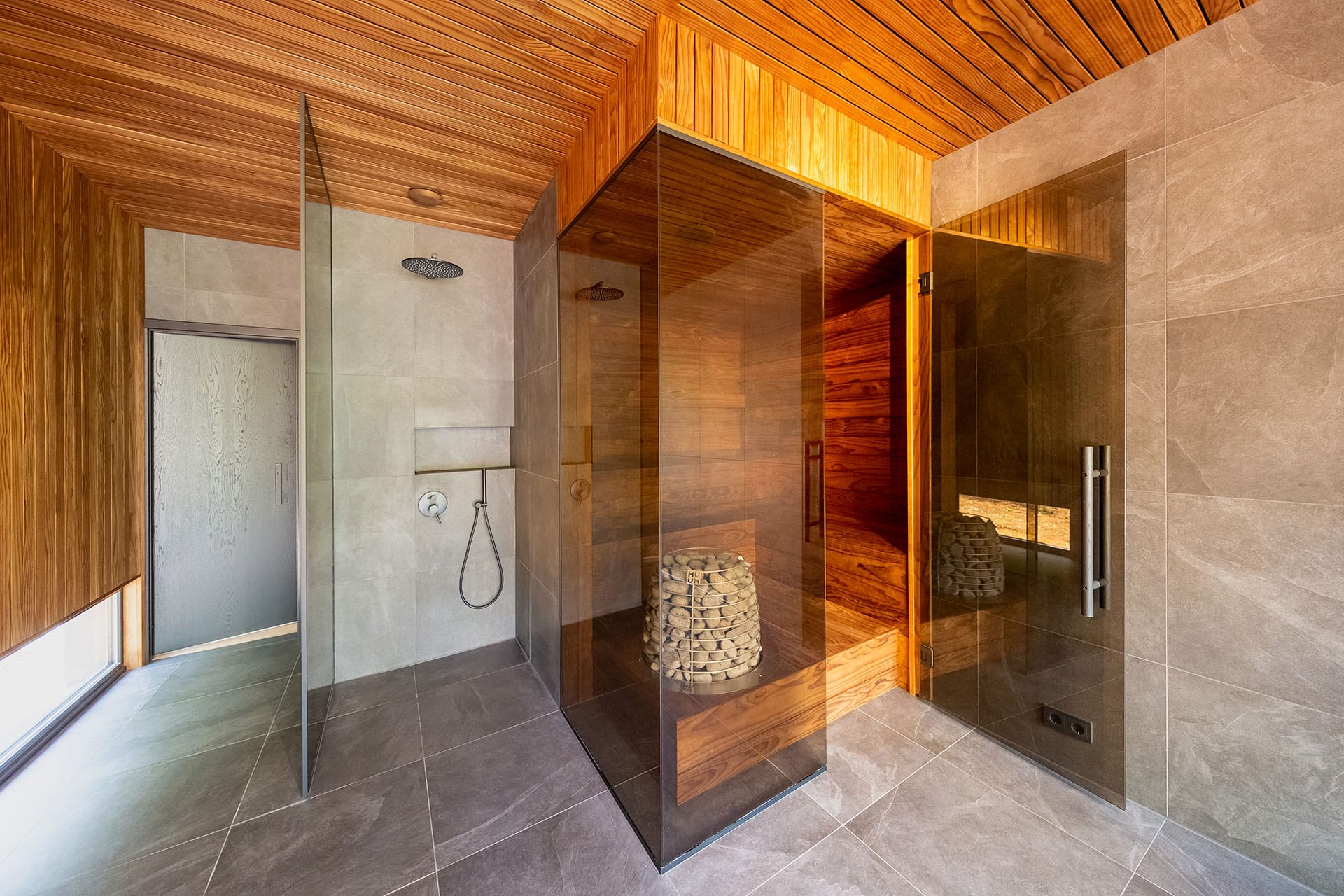
Homeowners considering this type of upgrade should learn more about steam room for home installations to better understand the design requirements, equipment options, ventilation needs, and construction considerations involved in creating a comfortable and efficient residential steam room.
The size and layout of the room should allow for comfortable seating, effective steam circulation, and easy access. Proper insulation and waterproof construction are equally important to maintain consistent temperatures while protecting surrounding building materials from excess moisture.
Planning these details before construction begins helps reduce costly design changes later in the renovation process.
A well-designed layout improves both functionality and long-term enjoyment.
Balance Comfort With Installation Costs
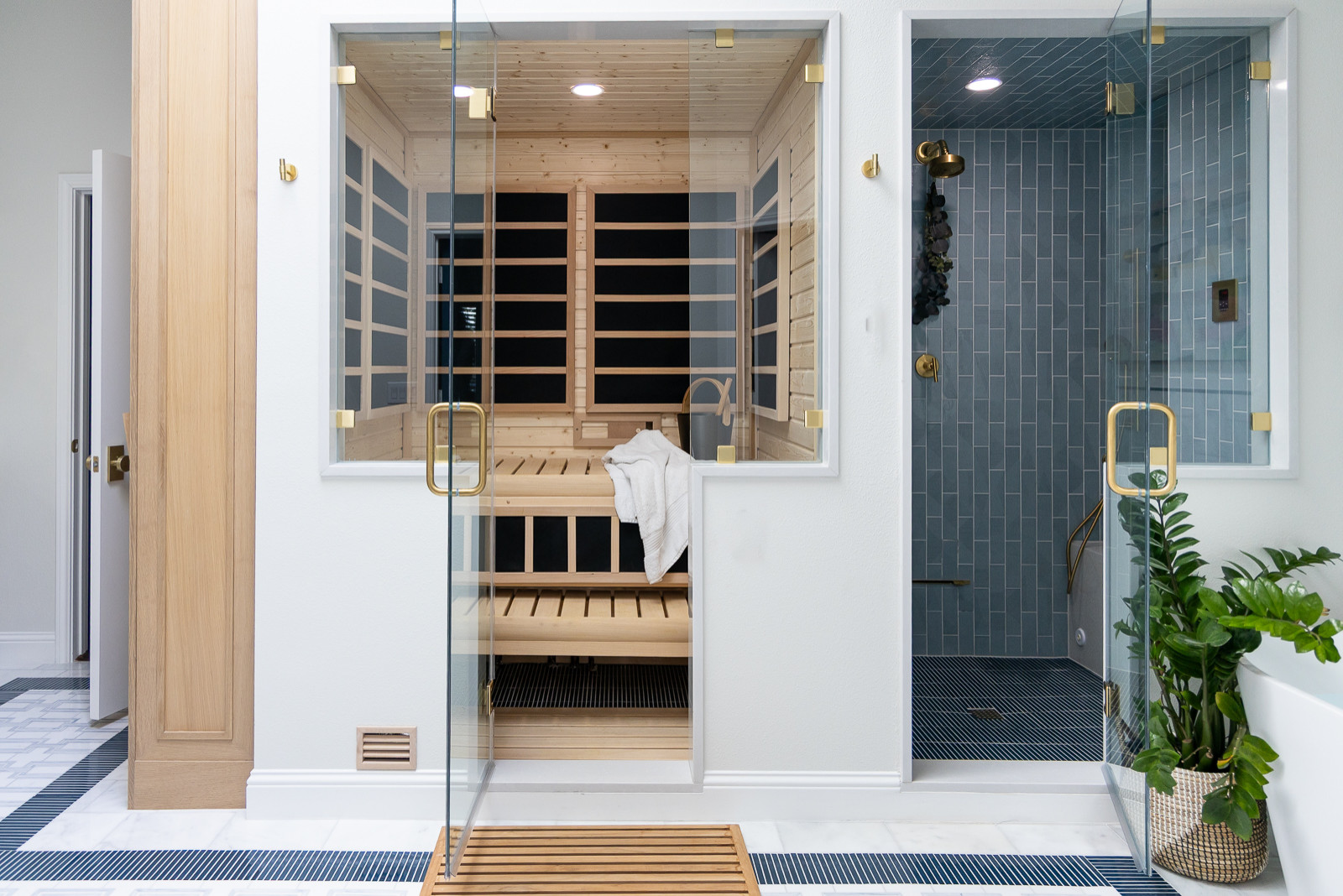
The overall cost of installing a home steam room depends on several factors, including room size, construction materials, steam generator capacity, and the level of customisation required. Selecting equipment that matches the room’s dimensions helps improve efficiency while avoiding unnecessary operating costs.
Homeowners should also budget for professional installation, waterproofing, electrical work, and ongoing maintenance. Investing in quality materials and reliable equipment often reduces future repair costs while improving long-term performance.
Considering both upfront and ongoing expenses leads to better renovation decisions.
Careful budgeting helps create a wellness space that remains practical as well as enjoyable.
Think About Long-Term Use And Maintenance
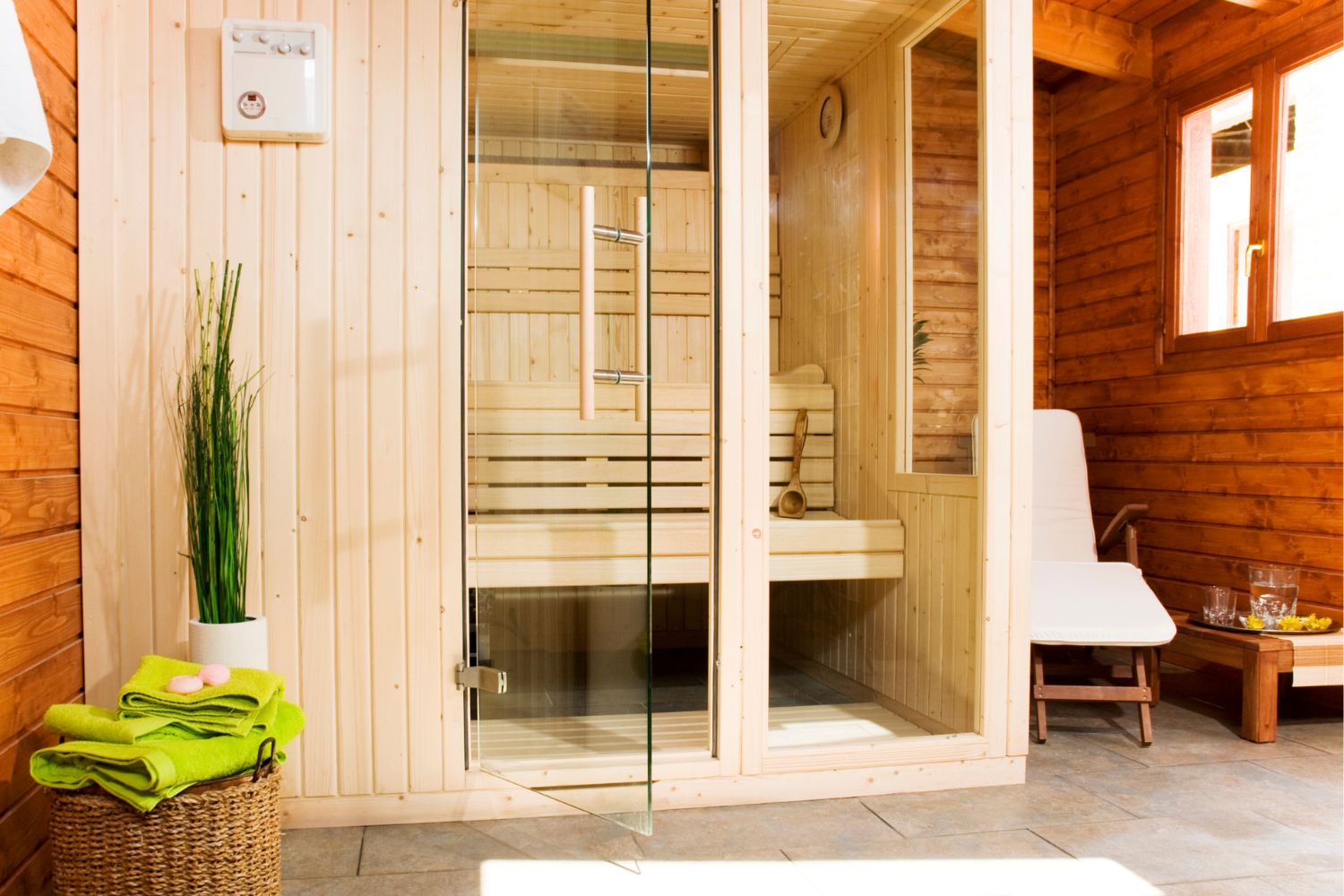
A home steam room should be designed with everyday use in mind. Easy-to-clean surfaces, proper drainage, reliable ventilation, and durable materials all contribute to maintaining a hygienic and efficient environment over time.
Routine maintenance of the steam generator and regular inspections help ensure consistent performance while extending the lifespan of the equipment. Planning for maintenance access during the renovation also makes future servicing more convenient.
Designing with long-term ownership in mind helps maximise the value of the investment.
A properly planned steam room can provide years of comfort while enhancing both the functionality and appeal of the home.
Conclusion
Adding steam features during a renovation can significantly improve comfort while creating a dedicated space for relaxation and wellbeing. Success depends on careful planning, appropriate equipment selection, and thoughtful consideration of layout, ventilation, and long-term maintenance.
By understanding these factors before construction begins, homeowners can create a steam room that enhances their renovation, supports everyday comfort, and adds lasting value to their home.