
Ask a grandparent who bought property in Singapore forty years ago about their best financial decision, and the answer is almost always the same: they bought land, not a lease. A whole generation of newer buyers has grown used to counting down years on a 99-year clock. But a smaller, quieter group of investors has kept doing what always worked, patiently chasing freehold titles in central locations that never go out of style.
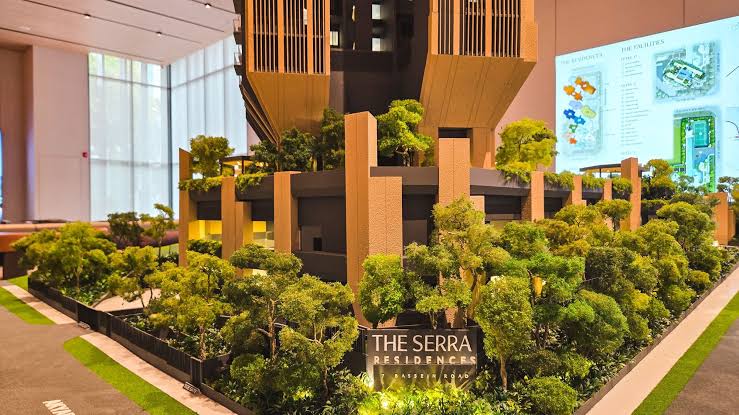
Today, that opportunity sits at The Serra Residences. It offers exactly this kind of timeless freehold prestige, in one of District 11’s most established corners, at a moment when freehold new launches have become genuinely rare in Singapore’s private residential market.
“Timeless” isn’t just a marketing word here. It’s a structural advantage you can measure. Here’s what makes the investment case worth taking seriously.
Nine Reasons Freehold Prestige Still Matters

1. No lease decay to erode value
A 99-year leasehold begins losing value from the moment the clock starts ticking. Freehold land at Serra has no expiry date. That’s a structural advantage that compounds over decades of ownership.
2. Easier financing later on
Banks often apply stricter loan limits to ageing leasehold properties. Freehold status avoids that friction, keeping financing options more flexible for current owners and future resale buyers.
3. Stronger resale demand, historically
Freehold properties in central districts tend to attract a wider pool of resale buyers, since nobody has to calculate remaining lease years before making an offer. That’s a real advantage when it’s time to sell.
4. A shrinking asset class
Most new launches across Singapore now come with 99-year leases. Freehold developments like Serra are a shrinking category, and scarcity tends to support long-term pricing power.
5. A developer built for the long term
Far East Organization’s six-decade history, covering over 780 completed projects, points to a company that has been through multiple property cycles. That’s the kind of stability investors want behind a freehold asset.
6. A central location supports demand
District 11’s closeness to Orchard Road and the CBD helps keep rental and resale demand steady, regardless of how other districts rise and fall in popularity.
7. Healthcare nearby supports rentals
Being minutes from Health City Novena means the development can appeal to tenants who work in the medical sector. That adds a layer of rental demand beyond the usual office-worker crowd.
8. Boutique scale limits supply
With only 133 units, supply stays naturally limited. That can help protect pricing from the kind of oversupply pressure larger developments sometimes face in softer markets.
9. Green credentials help future resale
BCA Green Mark certification and EV charging infrastructure help prepare the asset for tighter environmental rules, which protects resale appeal as green standards become the norm across the industry.
Taken together, these nine points make a clear case. Freehold prestige isn’t a nostalgic preference from an older generation of buyers. It’s a structural investment advantage, and it’s harder to find with every leasehold launch that comes to market.
How It Compares with Amberwood at Holland
Amberwood at Holland makes a fundamentally different investment case. It’s built on early-mover advantage rather than freehold permanence. As the pioneer project inside the government-planned Holland Plain precinct, Sim Lian’s development bets on future infrastructure uplift and a precinct-wide transformation across eight planned GLS sites, not on land ownership security.
Where Serra protects value through freehold tenure and central demand, Amberwood aims to create value by being first into a masterplan that hasn’t played out yet.
Both strategies have merit, but they suit different investor temperaments. Serra offers a lower-uncertainty path: freehold land in an already mature district, backed by a developer that has come through many cycles. Amberwood offers potentially higher upside tied to a 99-year lease and a precinct still years from completion, which appeals more to investors who can live with a longer, less certain timeline.
For those who put capital preservation and steady long-term demand first, Serra’s freehold prestige is the more conservative, time-tested choice. For those willing to accept lease decay in exchange for early-mover pricing in an emerging enclave, Amberwood remains a compelling alternative.
Be Clear About Your Own Horizon
Freehold usually shows its strength over long holding periods. If you expect to sell within a few years, other factors such as entry price, market timing and rental yield may matter more. Compare the price you’d pay for freehold with similar leasehold options nearby, and consider how much of a premium the market currently assigns to freehold.
It’s also worth thinking about financing. Higher interest rates or stamp duty changes can affect returns, whatever the tenure. Speaking with a financial adviser and running a few scenarios will help you see how freehold prestige fits into your own plans.
Conclusion
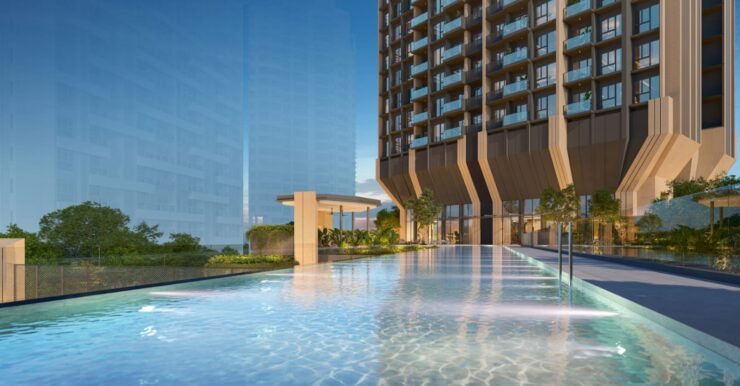
Freehold prestige has never been about nostalgia. It’s about structural resilience that plays out over decades, not quarters. The Serra Residences offers that mix: land ownership without an expiry date, a developer with six decades behind it and a central District 11 address that keeps drawing demand across market cycles.
For investors who value predictability over speculation, that foundation matters more than any short-term price movement. Add boutique scarcity, healthcare-driven rental resilience and sustainability credentials built for tighter future rules, and Serra looks like the kind of timeless asset that quietly rewards patience long after flashier launches have faded from memory.
As with any property purchase, it’s worth checking current pricing, financing terms and your own holding period before committing. Freehold helps, but it isn’t a guarantee of returns.
One last thought: every investment should suit the person making it. Freehold is a strong feature, but it works best alongside a clear plan, a realistic budget and a sensible timeline. Take your time, compare carefully and talk to people you trust before you decide. That approach will serve you well no matter which property you choose.