

Picture two towns thirty miles apart. One has fresh sidewalks, solid broadband, and a downtown where people spend time together on a Tuesday afternoon. The other looks like it got frozen somewhere around 2003. Same county. Roughly the same population. Completely different energy. So, what actually explains the gap?
Leadership Matters More Than the Tax Base
The easy answer is money. Richer towns do better. But that falls apart too often to hold up on its own. Some well-funded places coast for years on old plans while a scrappy town nearby gets things done with half the budget. What really separates them is how fast decisions are made. The towns pulling ahead have people in charge who don’t sit around waiting for a perfect plan. They try something small. They learn. They move on to the next thing. Less bureaucracy, more bias toward action.
Early Infrastructure Bets Pay Off for Decades
This part doesn’t get talked about enough. Infrastructure decisions compound, kind of like interest, but in both directions. A town that buried fiber optic cable a decade ago is now a magnet for remote workers and small businesses. Nobody planned that specifically. It just happened because the foundation was already there. A neighboring town that passed on the same investment might be struggling to keep its only pharmacy open.
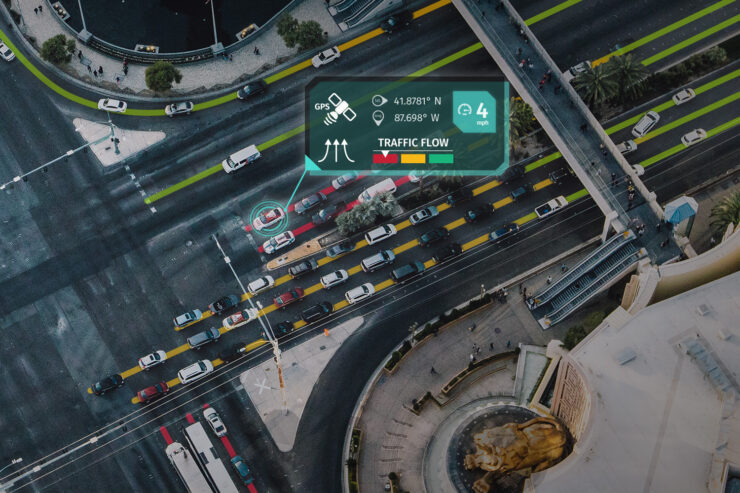
Data works the same way. Communities that started tracking things like water usage and traffic flow in real time years ago aren’t guessing anymore when something breaks. They already know where the problem is. That head start matters more than most people realize.
Tech Adoption Isn’t Really About Spending
The towns moving fastest aren’t always outspending everyone else on technology. Their fear of it has just subsided. Take smart cities as an example. When most people hear that, they imagine enormous, costly endeavors in vast urban areas. This isn’t the case for most of the country. Small towns are adopting sensor tech affordably. It’s now much easier for municipalities to install cellular-connected sensors, thanks to companies like Blues IoT. They have eliminated the complex networking requirements that used to prevent smaller towns from adopting this technology. Once that barrier drops, even a modest budget stretches pretty far.
The real blocker is almost never cost. It’s finding one person willing to push the first project through. Get a single win, and suddenly the next proposal has momentum behind it.
People Engage When They Feel Like It Matters
Fast-moving towns tend to have more involved residents. Not because those people are somehow better citizens. It’s because their local government actually loops them in. Share real numbers about where tax money goes and people start paying attention. Put a road project on a public tracker so everyone can watch it move from proposal to pavement, and trust builds. When trust builds, turnout goes up. People join boards. They vote yes on bond measures.
Disengaged residents haven’t checked out because they’re apathetic. Most of them got ignored one too many times and stopped showing up. Fixing that relationship is slow work. But the places doing it are pulling away from the ones that aren’t.

Conclusion
And that’s the part nobody wants to hear. The distance between thriving communities and stagnant ones isn’t stable. It gets wider every single year. Each delayed infrastructure project, each passed-over technology upgrade; the cost of catching up just keeps climbing.
But there’s a more hopeful read on all of this, too. One good leader changes things. One successful pilot project shifts the conversation. No town needs a complete overhaul overnight. Pick something specific, get a visible win, and build off that.