
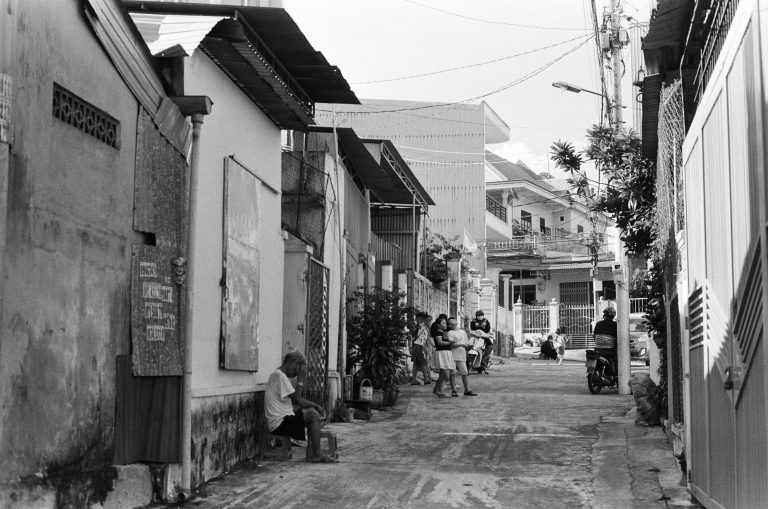
Southeast Asia is often discussed through large regional themes: urbanisation, digital transformation, climate change, infrastructure, and economic integration. Yet the future of the region will be decided in places much smaller than a regional strategy document: a neighbourhood choosing how to manage flooding, a farming community adapting to changing weather, or a coastal village deciding how to protect its livelihoods.
That is why local priorities matter. The same investment can produce very different results depending on whether residents need safer transport, reliable water, market access, affordable housing, digital connectivity, or protection from coastal hazards. Development is most durable when national and regional plans provide resources and standards while communities help define the problems that need solving.
The urban-rural connection is the real development map
Urban and rural areas are not separate economies. Farmers supply city markets; workers move between villages and metropolitan areas; coastal ecosystems support food systems and tourism; and smaller towns connect remote communities to hospitals, schools, ports, and finance.
An ASEAN study on urbanisation and inclusive development describes this as an urban-rural continuum. Its central insight is practical: policies designed only for city centres can overlook the communities that supply labour, food, land, and natural resources, while rural programmes can miss the opportunities created by nearby towns and cities.
ASEAN’s study on urbanisation, people mobility, and inclusive development notes that rapid urban growth brings both opportunity and pressure, including congestion, unequal access to services, informal settlements, pollution, and climate vulnerability. Its recommended response is not to choose cities over villages, but to improve the connections between them.
That connection may involve better roads, public transport, broadband, storage facilities, health services, or coordinated land-use planning. The important point is that the right mix will differ from one place to another.
Food security begins with local livelihoods
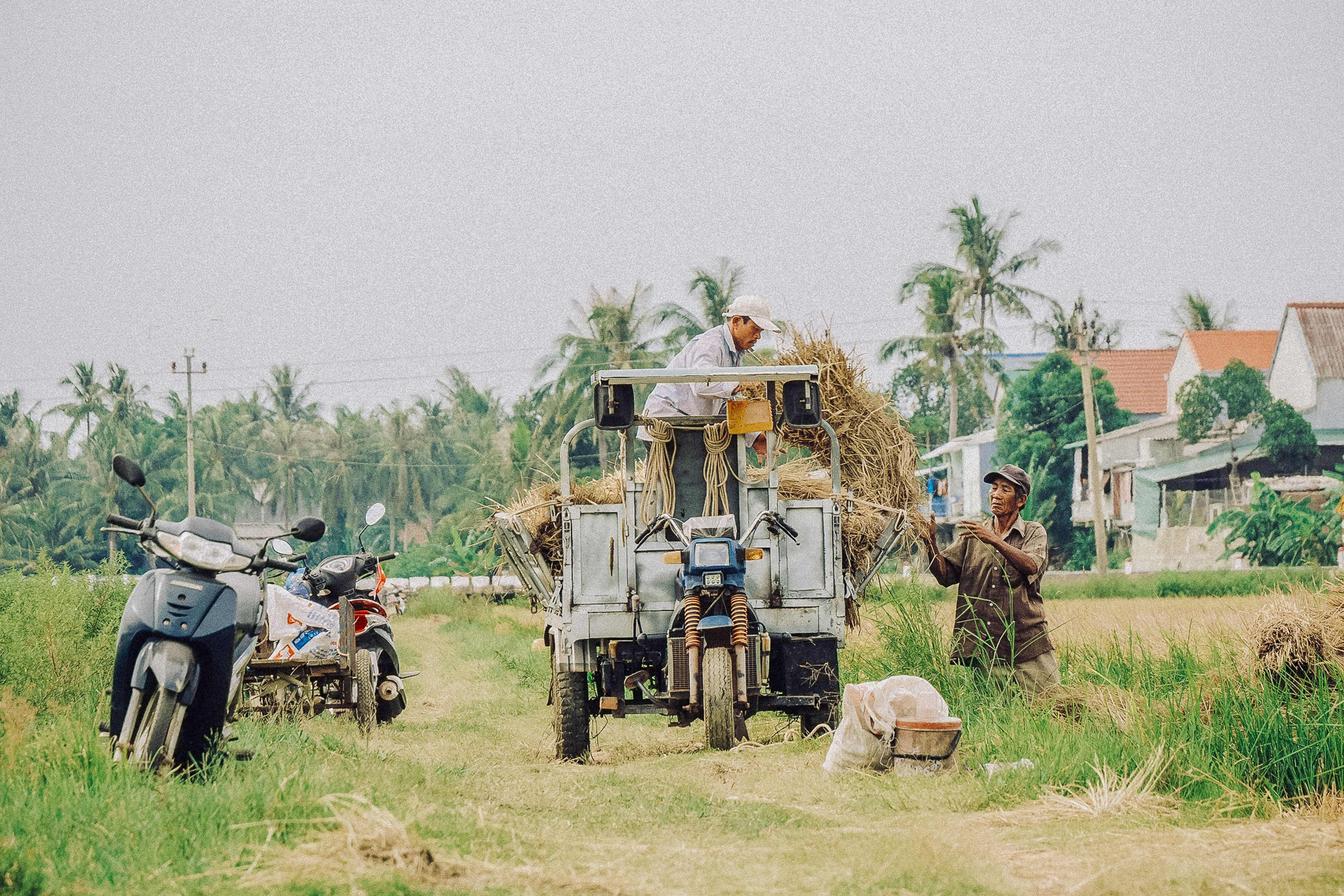
A region cannot build resilient food systems while treating farmers and small-scale producers as an afterthought. Local priorities may include irrigation, reliable electricity, access to agricultural advice, crop storage, roads that remain usable during heavy rain, or fairer links to buyers.
These needs are not only agricultural concerns. They affect household income, nutrition, migration, and the cost of food in cities. ASEAN’s rural development framework stresses that rural transformation depends on integrated planning, stronger rural-urban links, and access to education, finance, markets, and digital tools.
Local knowledge is especially valuable when climate conditions are changing. Farmers often understand the timing of rainfall, soil behaviour, water flows, and crop suitability in ways that broad regional models cannot capture on their own. Regional science and local experience should reinforce each other rather than compete.
The same principle applies to fishing communities. Coastal residents can identify changes in shoreline conditions, fish habitats, storm patterns, and access routes. Planning that includes this knowledge is more likely to protect both ecosystems and livelihoods.
Transport is about access, not only movement
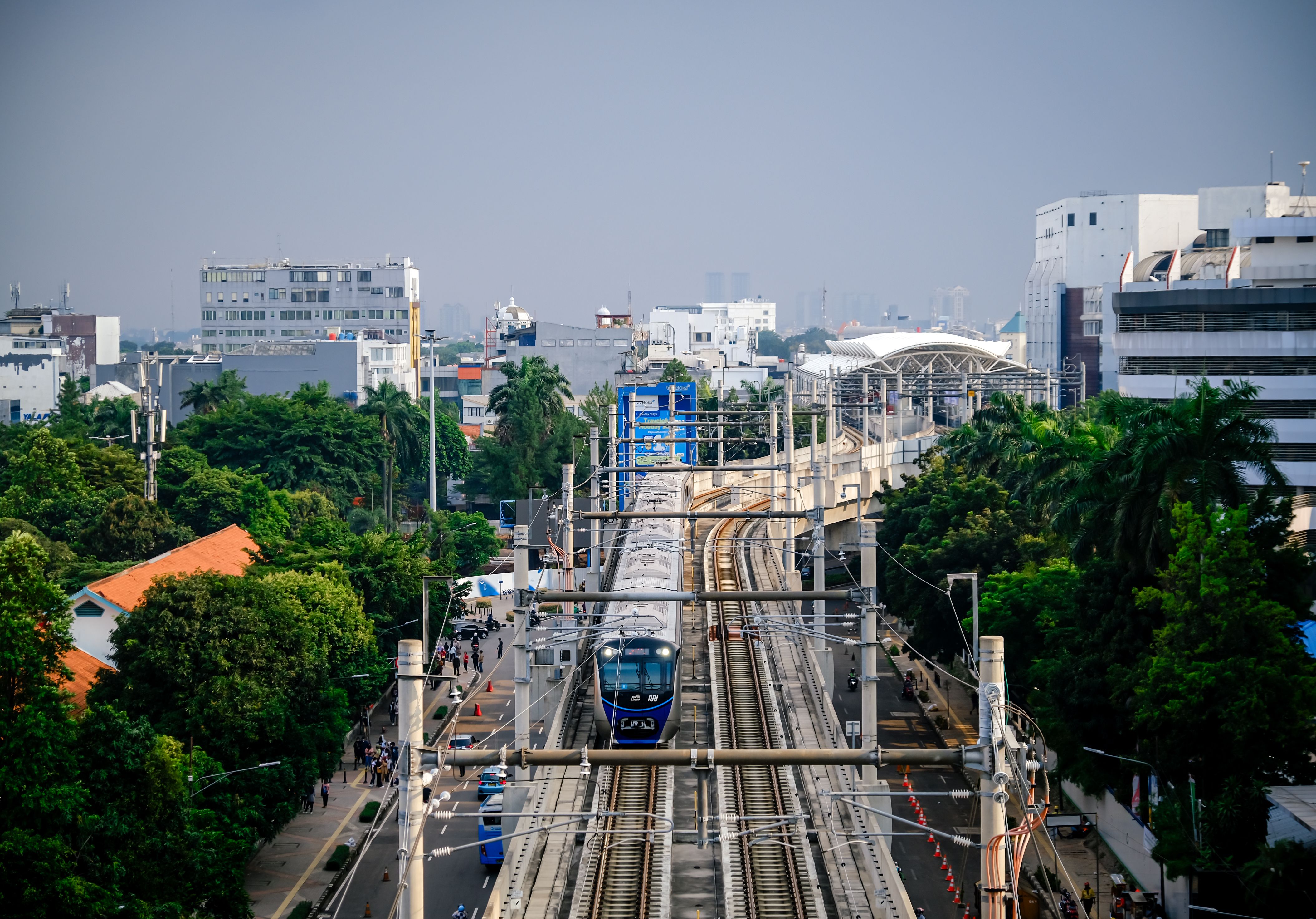
Transport projects are often measured by kilometres of road or rail built. Communities experience them differently. A transport system matters because it determines whether a student can reach school, a patient can reach a clinic, a worker can reach a job, or a farmer can deliver produce before it spoils.
In dense cities, local priorities may favour dependable public transport, safer walking routes, integrated fares, and reduced travel times. In rural areas, the priority may be an all-weather road, a bridge, a bus connection, or a logistics service that links producers to a nearby market.
ASEAN’s Connectivity Strategic Plan for 2026–2035 places sustainable infrastructure, smart urban development, digital innovation, logistics, and people-to-people connections within one framework. That is significant because mobility decisions shape more than traffic: they influence land use, employment, emissions, public health, and access to opportunity.
For local governments, the challenge is to avoid treating technology as a substitute for service quality. A digital ticketing system may be useful, but it cannot compensate for routes that do not reach lower-income neighbourhoods or vehicles that are too infrequent to be practical.
Climate resilience must be designed around place
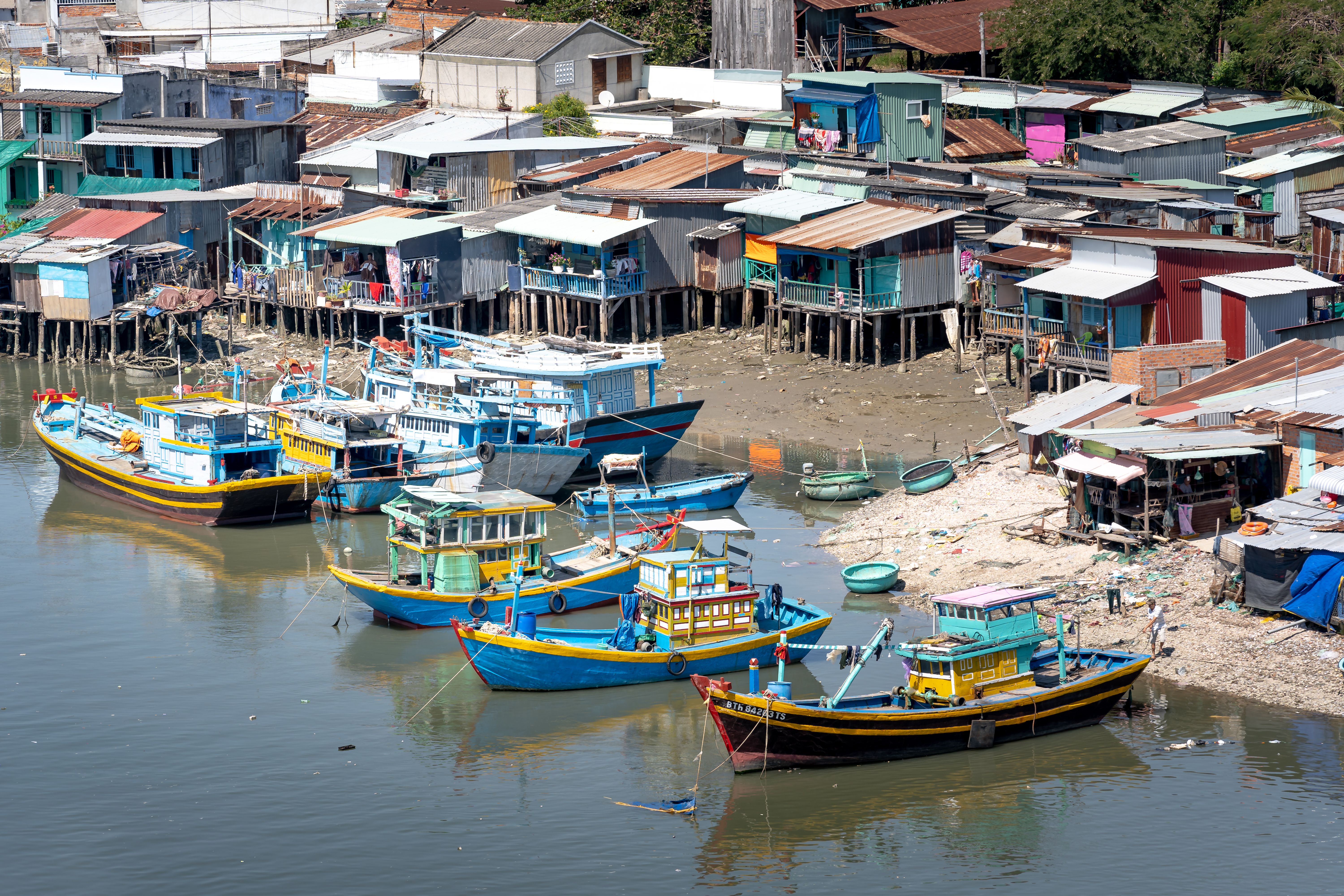
Climate change is a regional issue with intensely local consequences. One community may face flash floods; another may be managing saltwater intrusion, coastal erosion, drought, extreme heat, or landslides. A national target is necessary, but it does not tell a village which drainage channel to clear or which shoreline assets to protect first.
Research on local development spending in Indonesia found that accessible information about local climate risks, combined with group deliberation, increased support for adaptation and mitigation priorities. The lesson is broader than one country: people are more able to weigh long-term climate measures when the information is connected to hazards they recognise and when they can discuss how funds should be used.
This approach also improves practical accountability. A community that helps identify priorities can contribute to monitoring whether a flood barrier works, whether a water system is maintained, or whether a restored wetland is delivering the expected benefits.
Nature-based solutions can be particularly suited to local planning. Mangrove restoration, watershed protection, urban shade, permeable surfaces, and reforestation may support flood management while also protecting fisheries, farms, or public space. Their value depends on local conditions and maintenance, so they should be selected as part of a place-specific plan rather than treated as universal fixes.
Digital development needs a physical foundation
Digital services can extend access to education, finance, public information, agricultural advice, and markets. But digital inclusion is not simply a matter of providing an app. It depends on electricity, connectivity, affordable devices, digital skills, language access, and institutions that can respond when systems fail.
This is especially important as work becomes more flexible and platform-based. Digital opportunities may help rural residents reach customers or supplement income, but unequal connectivity and limited training can leave communities with fewer choices. Local priorities should therefore include the capabilities that make technology useful, not just the technology itself.
Schools, libraries, health centres, cooperatives, and local government offices can serve as practical anchors for digital inclusion. They provide places where residents can access services and learn how to use them safely. The strongest digital strategies are usually linked to an existing community need.
Participation is a delivery mechanism
Community participation is sometimes treated as a consultation exercise that happens before a project begins. A more useful model treats it as part of delivery: residents help identify needs, compare options, monitor implementation, and revise plans when conditions change.
Participation does not mean every decision can be made locally. Large infrastructure, national standards, environmental safeguards, and cross-border systems require coordination at higher levels. Local input is most valuable where it adds information about daily use, access barriers, cultural context, and likely maintenance challenges.
For readers looking at how community priorities fit into wider regional policy conversations, Southeast Asia insights can serve as a broader reference point. The key principle remains the same: local realities need to be understood before regional ambitions can be translated into useful action.
What a locally grounded future could look like
The future of Southeast Asian communities will not be shaped by one model of development. It will be a collection of linked choices, made at different scales.
- Cities can prioritise affordable, reliable, and low-emission mobility alongside housing and public services.
- Rural areas can strengthen food systems, local enterprise, connectivity, and climate-resilient livelihoods.
- Coastal communities can combine ecosystem protection with practical support for fishing, tourism, and safe settlement.
- Local governments can use data without losing sight of lived experience and community knowledge.
- Regional institutions can provide financing, shared standards, training, and platforms for learning between places.
The Asian Development Bank’s work across Southeast Asia illustrates this range, from rural roads and climate-resilient agriculture to water systems, education, health care, renewable energy, and urban transport. Its Southeast Asia programme overview shows why community development cannot be reduced to a single sector: livelihoods depend on several systems working together.
The most effective plans will therefore begin with a simple question: what would make daily life more secure and more productive in this particular place? Once that question is answered carefully, regional cooperation becomes more than a statement of ambition. It becomes a way to give local solutions the resources, knowledge, and connections needed to last.
Local priorities do not narrow Southeast Asia’s future. They make that future workable.