

Security Operations Center (SOC) supervisors are increasingly aware that cybercriminals have started to pivot away from dark web forums in favor of encrypted messaging apps. A favorite among threat actors is Telegram. In fact, Telegram has emerged as a primary hub for everything from illicit trading to breach data distribution. Maintaining constant visibility into these channels is no longer optional. It is critical.

The challenge is attempting to navigate Telegram’s vast network of private channels manually. It is simply not feasible. Instead, enterprise security teams now rely on dedicated Telegram intelligence platforms to automate data collection and contextualize threat chatter. Automation helps them protect organizational assets much more effectively.

What Is a Telegram Intelligence Platform?
DarkOwl is a respected leader in Telegram threat intelligence. They describe the Telegram intelligence platform as a specialized threat intelligence solution that automatically scrapes, indexes, structures, and analyzes data gleaned from across Telegram’s vast ecosystem.
Where traditional OSINT tools rely on manual searches and basic keyword alerts, a dedicated Telegram platform looks at the app as a dynamic threat landscape. It continually ingests unstructured data. It analyzes files, audio clips, and images from thousands of threat actor channels.
All the gathered data is then transformed into structured, searchable intelligence feeds security teams can work with. The CISA guidance on assessing cyber threat intelligence feeds emphasizes relevance, accuracy, timeliness, and actionability when evaluating this type of information. It is all done in real time and using automated tools that take the pressure off SOC personnel.
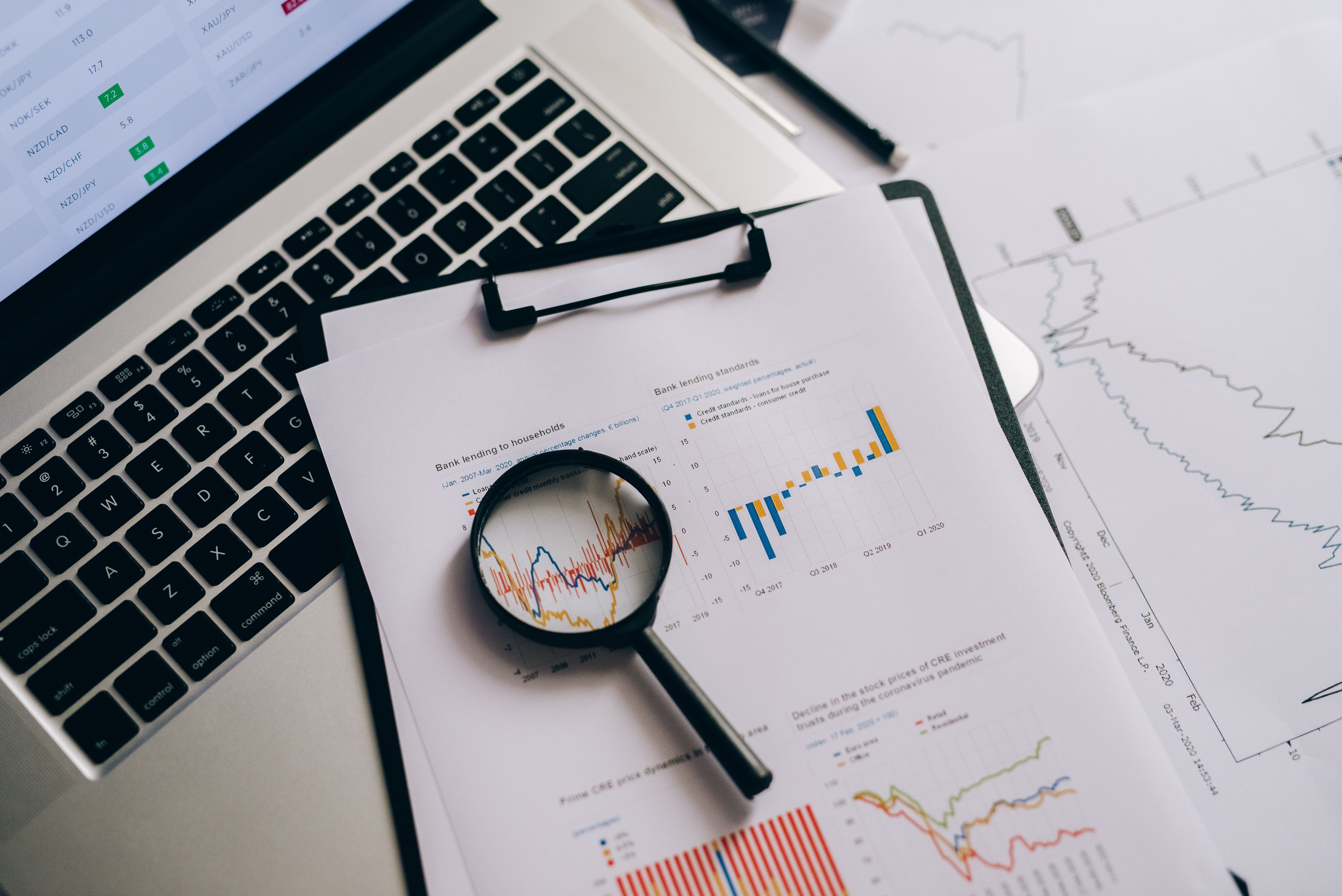
What Specific Things Does a Platform Do?
Understanding a Telegram platform’s capabilities in a generic sense is helpful enough. But getting into the details of how it accomplishes its work makes clear why organizations should be utilizing this resource. Here are four specific things a Telegram intelligence platform does, according to DarkOwl:
• Data Aggregation – A well-designed platform safely indexes and aggregates data from across a vast library of Telegram channels. Meanwhile, the corporate entity is never exposed to operational risks.
• Entity Extraction and Enrichment – A platform will automatically identify critical indicators of compromise (IOCs) and associate them with specific threat actors.
• Translation and Sentiment Analysis – A platform will leverage Natural Language Processing (NLP) to translate non-English chatter. It will also assess regional threats in real time based on translated data.
• Contextual Risk Scoring – A comprehensive Telegram platform will filter out random chat noise. It will flag high-value threats and alert teams when company assets, software stacks, or executives are mentioned in cybercrime circles.
Like any other type of security software, threat intelligence platforms vary in terms of their features and capabilities. Any organization serious about monitoring Telegram for potential threats should not skimp. It is worth investing in a top-of-the-line platform with the necessary capabilities to stay ahead of threat actors.
Telegram Intelligence With Enterprise-Level Integration
Telegram intelligence is a fantastic tool for extracting data from across the encrypted chat app landscape. But getting that data is only half the battle. Intelligence must also flow directly into existing security workflows to be useful. Organizations like DarkOwl make it possible through flexible, developer-friendly integration methods that embed Telegram intelligence directly into an existing SOC ecosystem.
A well-designed platform offers:
• Flexible APIs and pre-built connectors.
• Support for leading SIEM, SOAR, and threat intelligence platforms.
• Automated triage on a per-incident basis.
• Standardized incident response by way of predefined playbooks.
The CISA guidance for SIEM and SOAR implementation also highlights the value of improving visibility and automating predefined response actions. There is no arguing the fact that SOC teams now need to pay attention to apps like Telegram. But relying on manual searches alone isn’t doable. Because of the speed at which threat actors operate, enterprises now need a dedicated Telegram intelligence platform to pay attention to the one encrypted chat app threat actors use most. Without it, SOCs will always be a step or two behind.