
Long COVID reshaped the way clinicians think about post viral recovery. Many patients continue to report persistent fatigue, shortness of breath, slow cognitive processing, intermittent headaches, and limited exercise tolerance even months after the initial infection has passed.
As a result, attention has shifted to supportive treatments that may help restore normal cellular function in tissues affected by chronic inflammation and reduced oxygen efficiency.
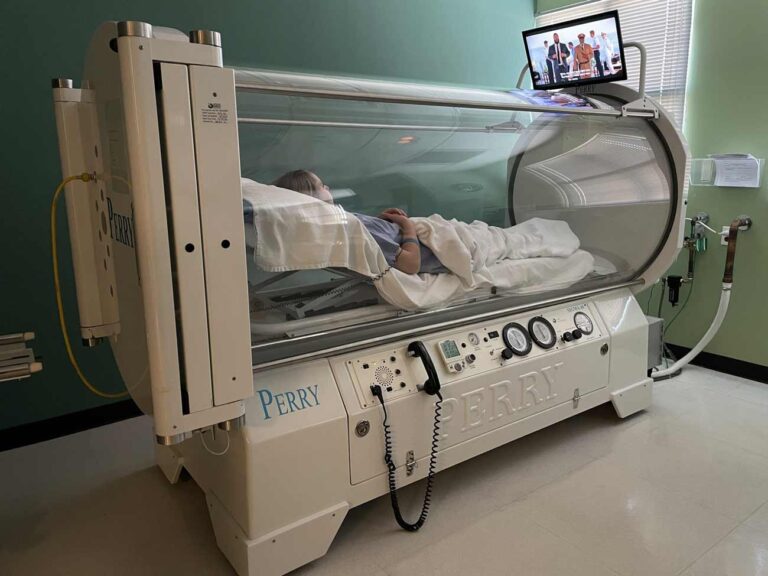
Hyperbaric oxygen therapy, commonly known as HBOT, remains one of the more frequently discussed options because of its ability to increase oxygen availability in areas where perfusion is compromised.
The core question driving patient interest is simple. Can HBOT meaningfully support symptoms that linger long after the acute stage of COVID ends?
How Hyperbaric Oxygen Therapy Is Thought To Support Long COVID Symptoms
Understanding the potential role of HBOT requires a closer look at what long COVID does physiologically.
Researchers believe that persistent symptoms often stem from microvascular dysfunction, chronic inflammation, and reduced mitochondrial efficiency, all of which can limit the body’s ability to use oxygen effectively.
Hyperbaric treatment increases the partial pressure of oxygen, flooding tissues with levels far higher than what the bloodstream normally carries.
This temporary rise may trigger repair signals, improve microcirculation, and enhance cellular energy output.
Patients who seek treatment in major cities often share similar feedback. Those who undergo Los Angeles hyperbaric oxygen therapy mention that its structured session cadence helps them monitor fatigue waves with more clarity, particularly when long COVID creates unpredictable fluctuations in daily energy.
These experiential insights continue to shape how clinicians think about supportive care for prolonged post viral recovery.
What Happens Inside The Chamber During HBOT
Before evaluating long COVID claims, it helps to understand what physically occurs inside the pressurized environment.
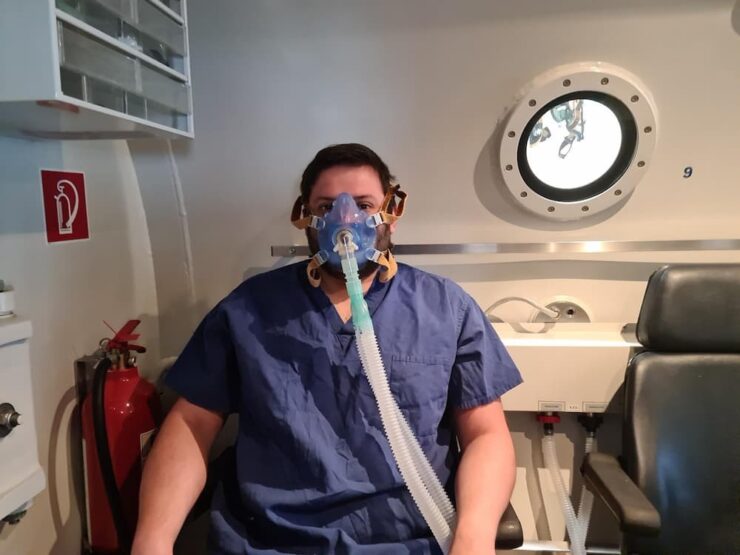
A standard protocol places the patient in a chamber set to a pressure between 1.5 and 2.5 ATA while they breathe pure oxygen.
At this pressure, oxygen dissolves into plasma at levels far above normal, providing temporary access to higher concentrations throughout the body. The session typically lasts between 60 and 90 minutes.
Key physiological effects
During this window of increased oxygen saturation, several processes may activate:
- Enhanced tissue oxygenation that supports healing in areas with reduced blood flow
- Temporary improvement in mitochondrial ATP production
- Reduction of inflammatory markers
- Possible stimulation of angiogenesis in damaged microvessels
These mechanisms form the foundation for considering HBOT as part of symptom management plans for individuals with long lasting fatigue and respiratory issues connected to long COVID.
Evidence Landscape For Long COVID And Fatigue Improvement
Research on HBOT for long COVID is still developing, but several early studies offer a framework for patients and clinicians.
Controlled trials have examined improvements in cognitive function, fatigue severity, exercise capacity, and overall quality of life.
Some small studies have shown promising neurological and metabolic changes after a series of HBOT sessions.
Others indicate that benefits may vary depending on individual baseline inflammation levels and comorbidities.
While early findings appear encouraging, experts consistently remind patients that HBOT is categorized as a supportive intervention rather than a confirmed cure.
Long COVID remains multifactorial, and outcomes depend on the specific mechanisms driving each patient’s lingering symptoms.
Symptoms That HBOT May Address, Based On Emerging Data
Not every long COVID symptom responds equally to increased oxygen availability.
However, several areas remain of particular interest in current research because they align with mechanisms influenced by HBOT.
Symptoms with potential responsiveness
These categories appear most discussed in early trials and observational reports:
- Severe physical fatigue that does not improve with rest
- Brain fog, slowed processing speed, and reduced concentration
- Shortness of breath linked to microvascular changes
- General malaise and reduced stamina during physical activity
Hyperbaric oxygen therapy does not replace standard medical care, yet it may add value when symptoms show a pattern consistent with microcirculatory impairment or impaired cellular oxygen use.
Clarifying which patients fall into these categories remains an active research area.
Table: Common Long COVID Symptoms And HBOT Related Considerations
| Long COVID Symptom | Potential HBOT Consideration | Notes |
| Fatigue | May improve mitochondrial efficiency | Improvement varies by individual |
| Brain fog | Possible support for neurovascular repair | More trials needed |
| Breathlessness | Increased oxygen delivery may help | Works best when microvascular impairment is involved |
| Exercise intolerance | ATP support may improve tolerance | Not a substitute for graded exercise therapy |
| Headaches | May reduce inflammation | Evidence not yet conclusive |
This table offers a simple reference for readers trying to understand which symptom groups may align with the physiological strengths of HBOT.
It does not replace clinical evaluation, but it highlights the areas researchers are studying most intensively.
Patient Experiences And Session Structure For Long COVID Protocols
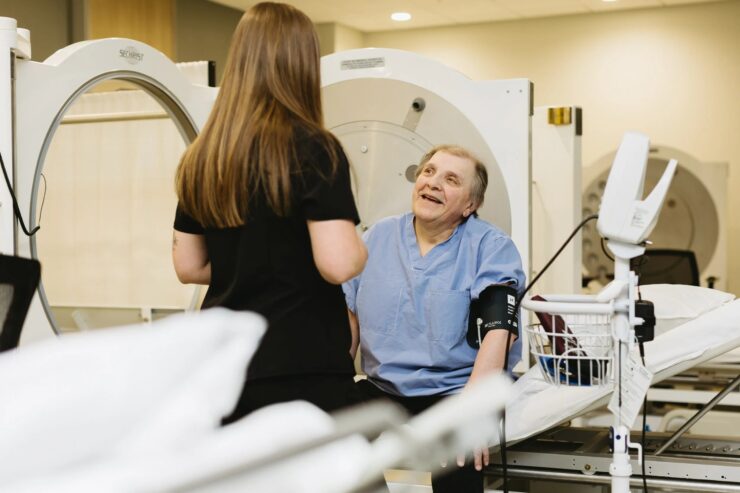
Many long COVID patients report that the structured rhythm of HBOT sessions helps them track symptom changes in a measurable way.
Programs usually include 20 to 40 sessions distributed across several weeks, allowing enough cumulative exposure to generate potential physiological effects.
During these weeks, some individuals observe improvements in daily stamina or cognitive clarity, while others report milder shifts that build gradually.
What patients commonly notice
Points often shared in patient feedback include:
- More predictable sleep patterns after multiple sessions
- Smoother energy levels across the day
- Better tolerance for low to moderate physical activity
- Reduced frequency of headaches or mental fog
Patterns vary widely, which is one reason ongoing clinical evaluation remains essential.
The diversity of long COVID presentations means no single protocol works universally for every case.
Safety Considerations And Medical Oversight
Safety is a central question for patients exploring HBOT. When delivered in a medically supervised setting, the procedure is generally considered safe, with the most common side effects being transient ear pressure, sinus discomfort, or mild fatigue following a session.
These effects usually resolve quickly.
Important safety notes
Patients should be aware of the following considerations:
- Individuals with untreated pneumothorax cannot undergo HBOT
- Upper respiratory issues may require short postponement
- Blood glucose monitoring may be recommended for diabetic patients
- Communication with the medical team during pressurization is essential
Clinics typically conduct a detailed screening exam before beginning a protocol. This step ensures that patient suitability and pressure settings match the individual’s medical profile.
Final Thoughts
Hyperbaric oxygen therapy continues to generate interest among individuals navigating long COVID and persistent fatigue.
The treatment’s ability to increase oxygen availability, support microvascular repair, and influence cellular energy production makes it a plausible option in carefully selected cases.
While research is still evolving, many patients report meaningful improvements in stamina, mental clarity, and daily function when HBOT is integrated into a broader recovery plan.